








Our managing partner Mr. He Jing recently delivered a training session at the three-day program in Ningbo, Zhejiang Province, focused on helping Chinese companies manage legal risks and pursue business opportunities across ASEAN markets.
Organized by the Training Center of the China Law Society, the program brought together more than 180 participants from companies and other organizations. This event was supported by the Zhejiang Law Society, the Zhejiang Provincial Council for the Promotion of International Trade, and the Zhejiang Federation of Industry and Commerce. It was hosted locally by the Ningbo Law Society and the Jiangbei District Law Society.
Representatives from provincial and municipal political and legal affairs commissions, law societies, business federations, and trade promotion bodies attended the opening ceremony.
Yang Wanming, the member of the CPC Leadership Group and Vice President of the China Law Society, delivered remarks at the opening ceremony. Mr. Yang called for further research and stronger legal services in foreign-related rule of law to support the sustainable international expansion of Chinese companies.
The program addressed legal and commercial issues commonly encountered by companies operating across ASEAN markets. Topics included trade and investment compliance, legal risk management, business opportunities, dispute resolution, digital expansion, and employment matters.
Speakers included experts and scholars from the Department of Treaty and Law of China's Ministry of Commerce, the RCEP Industrial Cooperation Committee, and the China-ASEAN Legal Research Center at Southwest University of Political Science and Law.
Mr. He delivered a presentation titled "The Business Environment in Southeast Asia: Opportunities, Risks and Market Entry Strategies for Chinese Companies - Indonesia as a Case Study." Drawing on the characteristics of the Indonesian market, he examined key challenges facing Chinese companies, including policy changes, regulatory enforcement, engagement with government authorities, payment arrangements, and compliance requirements. He advised companies against assessing a market's prospects on the basis of isolated events. Instead, businesses should evaluate opportunities in light of applicable industry policies, project-specific conditions, and local realities while closely monitoring regulatory developments.
Mr. He also discussed practical ways for companies to establish stable and sustainable local operations. Using examples involving changes to import controls, localization requirements, and platform-based business models, he explained how companies can raise concerns through industry associations and other established channels, substantiate their positions with specific evidence, and put forward workable compliance solutions.
He emphasized that companies should build strong local teams and partner networks while strengthening anti-corruption controls, internal approval procedures, and systems for documenting communications. Taking a long-term approach, he noted, can help businesses improve local execution and respond more effectively to regulatory and operational risks.
Our counsel Menghang Jiao also participated in this program. Haoning Guo, senior researcher at Transcend Consulting moderated this presentation on site.
Relevant Personage
-
 Jing He Beijing / US Liaison Office*
Practice Areas: Intellectual Property , Antitrust Litigation & Arbitration , Policy Advocacy
-
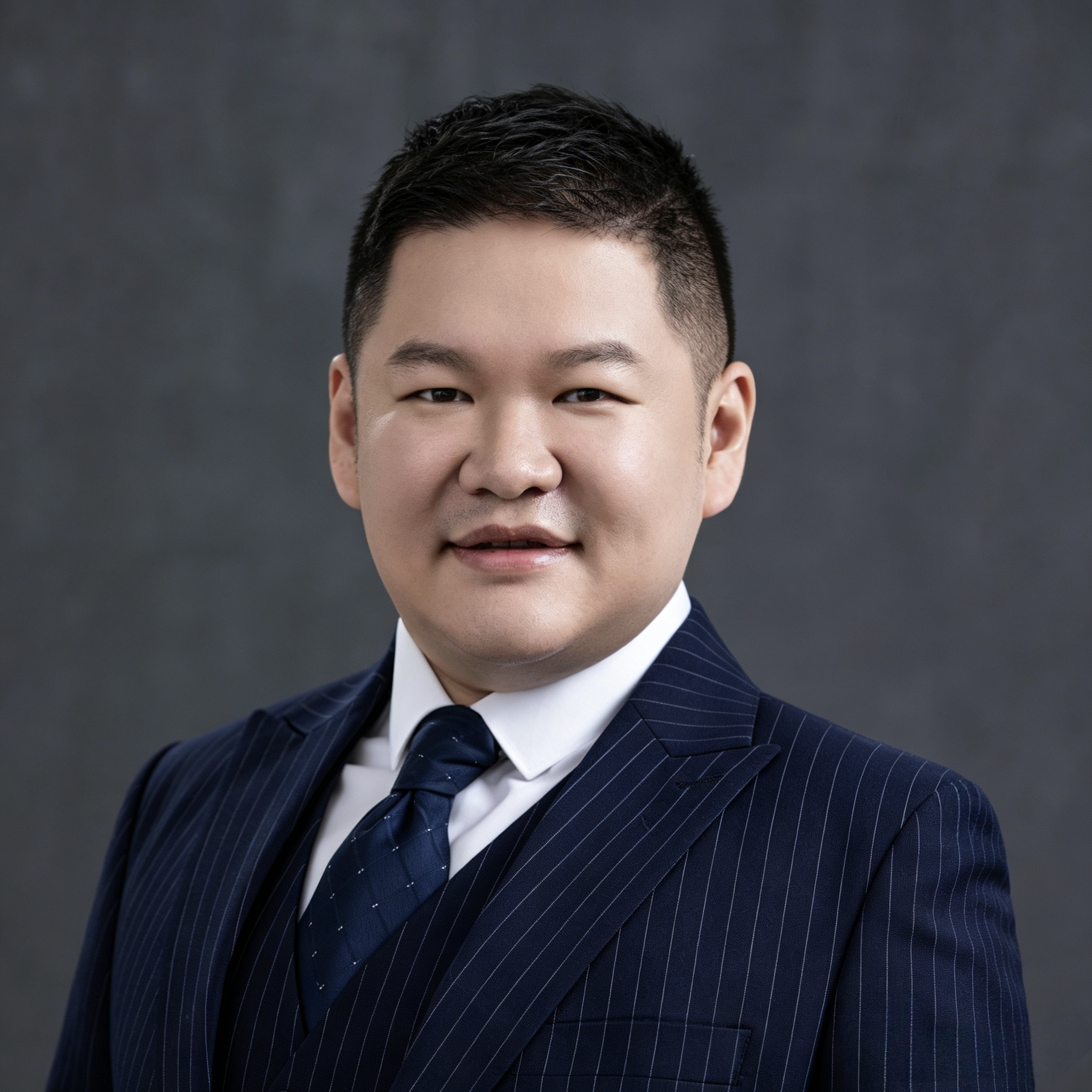 Menghang Jiao Beijing
Practice Areas: IP Rights Confirmation and Enforcement Litigation , Unfair Competition Litigation , Plant Variety Rights Protection , IP Criminal and Administrative Enforcement , Government Regulatory Investigation Response